

The process of writing, despite what’s discussed in Notes here on Substack, in reverently hushed tones, is never easy and not often inspired. It’s hard work. No matter how many years I have been doing it, when it needs to be good, it also proves to be hard. In the end, the struggle gives the end product a special kind of energy. It’s necessary to enter into a sort of devotional trance in which only the writing matters. Then it gets done, and done brilliantly.
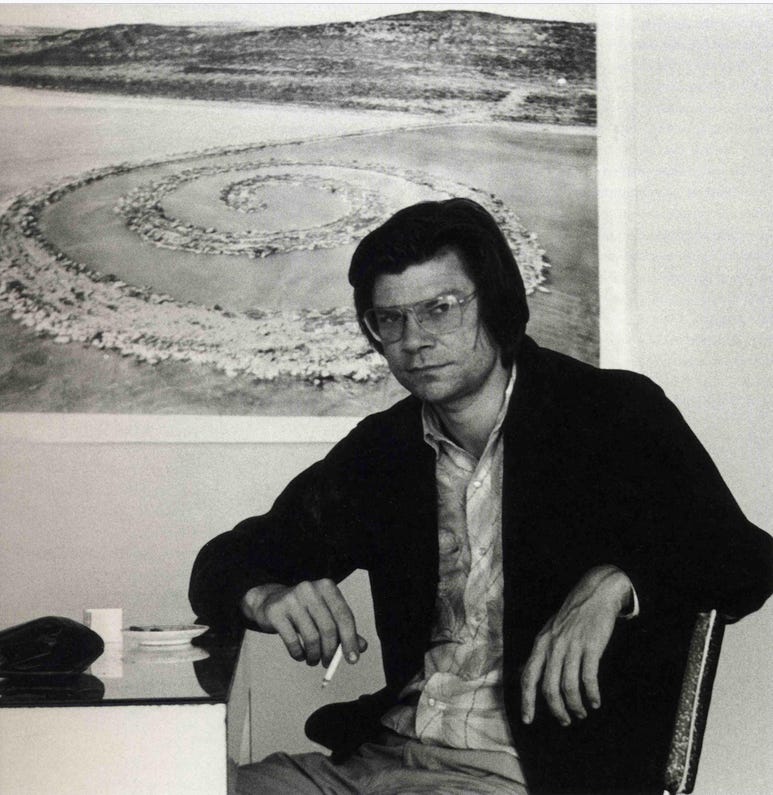
Lately I have been trying to finish a few pieces which have been on my mind for some time. They include my review of Suzaan Boettger’s “Inside the Spiral: The Passions of Robert Smithson,” her contentious but necessary airing of the artist’s hidden story, the dirty laundry that none of his galleries or critics wanted anyone to know about. In this revelatory book, she has transformed her role as a writer, and has brought attention to the whitewashing of the image of the artist. So little was actually known about Smithson except for a few interviews he gave himself that were captured in print or on film, and the critical writings of a select group of critics and curators. The Passions provides a superior understanding of what Smithson was really about–it is so thoroughly orchestrated, and so unyielding in its pursuit of the absolute truth of his identity. I don’t read a lot of biographies that I like, but this one is an exception. I expect to be posting my essay in early April or May.
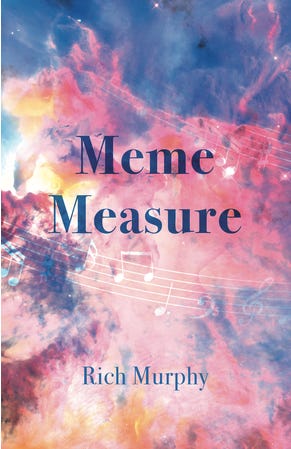
The second long term obsession that has been resurfacing as a critical subject is poetry. Two poets in particular have been on my mind, Rich Murphy and Yuko Otomo. Rich was one of my professors in college, I took English 102 with him, and a class on “The Essay” and later he was my second reader for my senior thesis on Jack Kerouac. Always he challenged me and was often insightful in a very human way that helped me get through difficult transitions in my work and personal growth. My reintroduction to his poetry in the last few years has been eye-opening to say the least. My response to them is a pleasure and a duty. His work is complex and unique in ways that I could never have imagined it could be. His poems are knock down drag out fights for the truth of poetic purpose, while at the same time being oblique tapestries giving a post-utopian Vonnegut vibe as they speak directly to culture itself, using language to cut through the chaff of normal discourse. I expect to post at least Part One of a two part essay on his work in late February or early March.
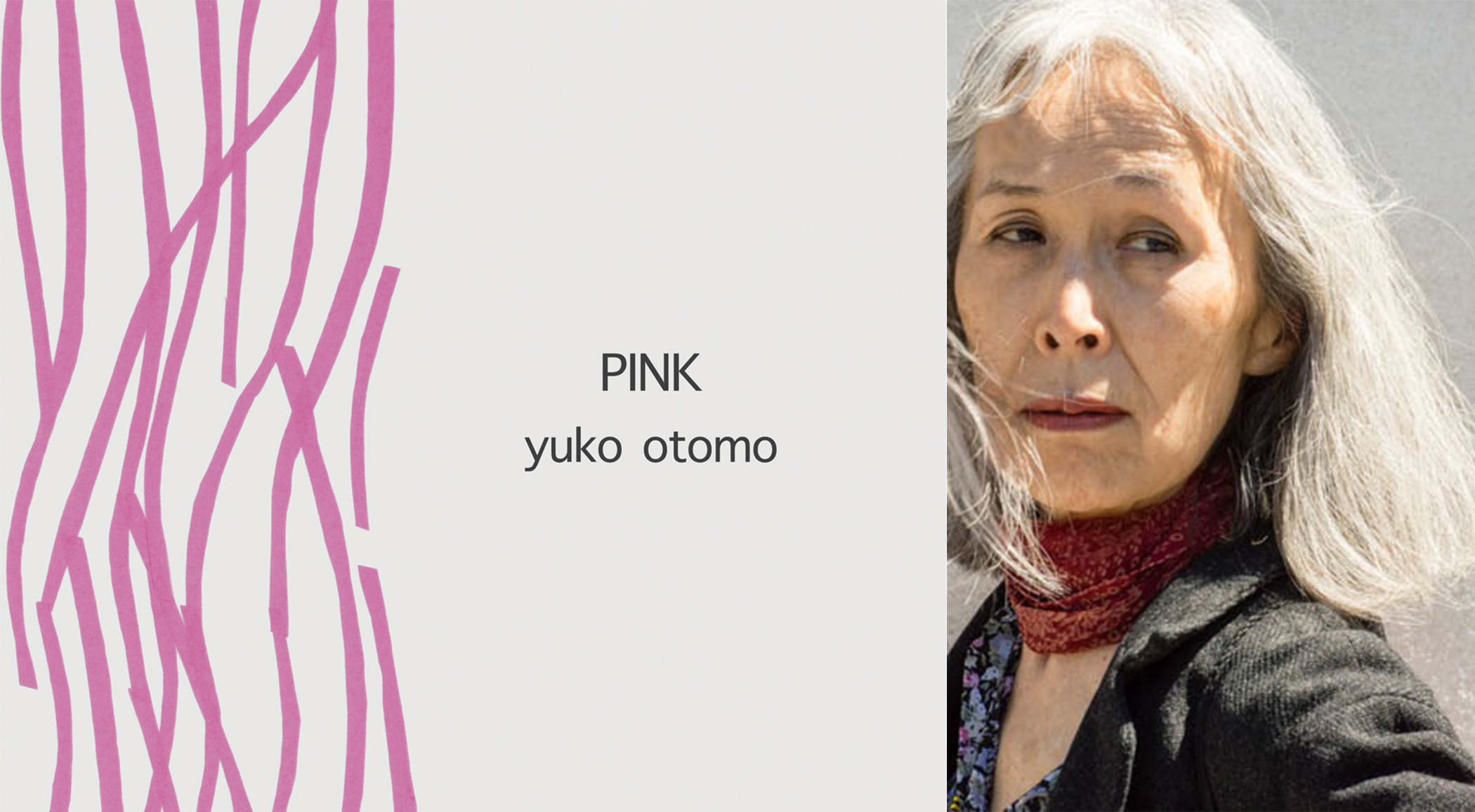
Yuko Otomo is a poet I first met in the 1990’s, when she and her husband, the poet Steve Dalachinsky, and all their friends were reading at a now long gone Tribeca based bookstore cafe called Biblio’s, in a series run by Elena Alexander aka Mad Alex, who was also the wife of the painter Alan Uglow. I was less familiar with Yuko’s work except for one extended volume called STUDY & Other Poems About Art (Ugly Duckling Presse, 2013), but now, a few years following Steve’s passing, I was curious to know what she’d been up to. Otomo is a poet given to writing extensive volumes. Pink (2025, Lithic Press) itself is a homage to her husband, to Paris itself, and to her favorite French poet, Baudelaire. It was originally written completely in Japanese, which is her native tongue, but the new edition is translated mostly into English, with select expressions given the opportunity to be recognized by the Japanese symbols, allowing them an expansive redolence. I’ve been reading and re-reading her book, absorbing its intensity.
The third piece on my mind is the unpublished memoir “1969–My Year With A San Francisco Drug Dealer” by Jeanne Wilkinson. I was interested to write about an unpublished manuscript for the same reason that I often prefer to write about artists in their creative life rather than merely reviewing an exhibition. The role of the writer has to expand beyond these practical functions serving the business of art if it’s to survive. It must enter into an interpretive conversation with the culture of like-minded creatives. Yes, I think of my criticism as creative. It’s writing, which is always creative, even when its role is something other than developing a novel, a play, or a poem. What I learned about creativity, and the work involved years ago, is that words on the page, no matter where they come from, and no matter what they’re meant to do, are inherently creative. It’s how we feel about the words that matters. If the writer can transmit something of value, even just through vocabulary and syntax, then creativity is in the mix. Writing well serves culture by providing exemplary models in any service or role. For myself, I learn best by reading, and I respond to written thoughts as both a challenge and a pleasure. I hope in reading this post, and my future essays as they are each fully realized, you will feel the same.